
MidJourney has shaped the way many of us picture AI art, with its bold style and cinematic flair inspiring a wave of creators. But the experience often felt clunky, and I started craving more control, more flexibility, and outputs that weren’t just pretty images but tools I could actually use in real world creative workflows.
That’s where Leonardo AI stood out. With models such as Lucid Realism, Lucid Origin, FLUX Dev, FLUX Schnell, and Phoenix 1.0, Leonardo is not just producing visuals, it is equipping creators with sharper, more versatile tools designed for creative work that lasts.
Beyond the models themselves, Leonardo’s interface feels built for creators. Reference slots replace confusing command strings, sliders make influence and strength adjustments intuitive, and a clear preview system keeps the process transparent. It feels less like hacking prompts together and more like an actual studio workflow.
Enter Leonardo AI
What struck me most was how seamless the workflow felt. Instead of juggling tools, images and video lived in one clean interface with history and assets always at hand. As a sci-fi fan, I pushed style references and video generation to full strength. It felt less like prompting and more like directing, shaping mood and atmosphere with precision. The results looked less like experiments and more like glimpses of future films, advertising, and game art.
The real surprise was the video output: ultra-high quality, smooth motion, and sharp fidelity, all produced in an afternoon. For the aesthetic I was chasing, Phoenix 1.0, FLUX Dev, and FLUX Schnell stood out, blending surrealism and clarity in a way that made each frame feel alive. These tests showed how Leonardo’s fidelity and control make it ideal for concept art, special effects, ad campaigns, and game environments. What began as exploration quickly felt like production-ready workflow.
Why the UX Matters
Generative AI will not win on visuals alone. It will be the platforms that make creativity intuitive, collaborative, and repeatable that last. Leonardo’s UX, from reference slots and style sliders to simple asset organisation, feels designed with this in mind. It is not just powerful models but a workflow that lets creators move faster and think bigger.
1. Dystopian World
Use cases: Animation, Film, Game Art
Flux Schnell Version
Prompt: A dystopian medium-shot portrait of a cyborg officer, face central and expressive with torso and armour clearly visible. The background glows with sodium lamps and flickering neon over smoking rubble. Shot in a harsh, high-contrast 1980s industrial style, square 1:1 composition.
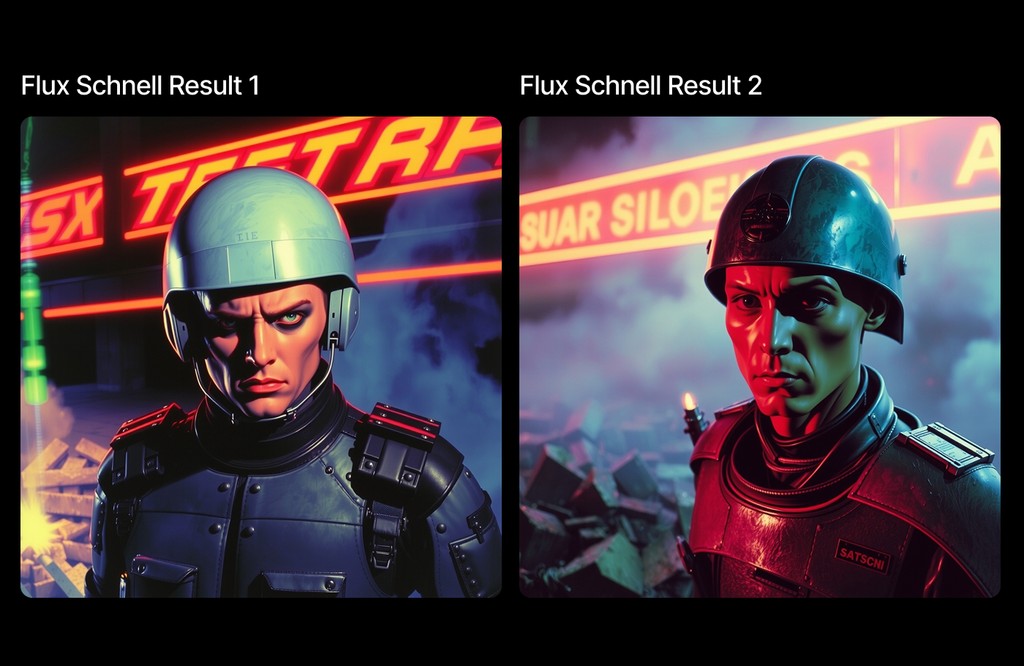
The FLUX Schnell results emerged as ultra-stylised, smooth illustrative visions, their acrylic textures steeped in mood and heavy with drama.
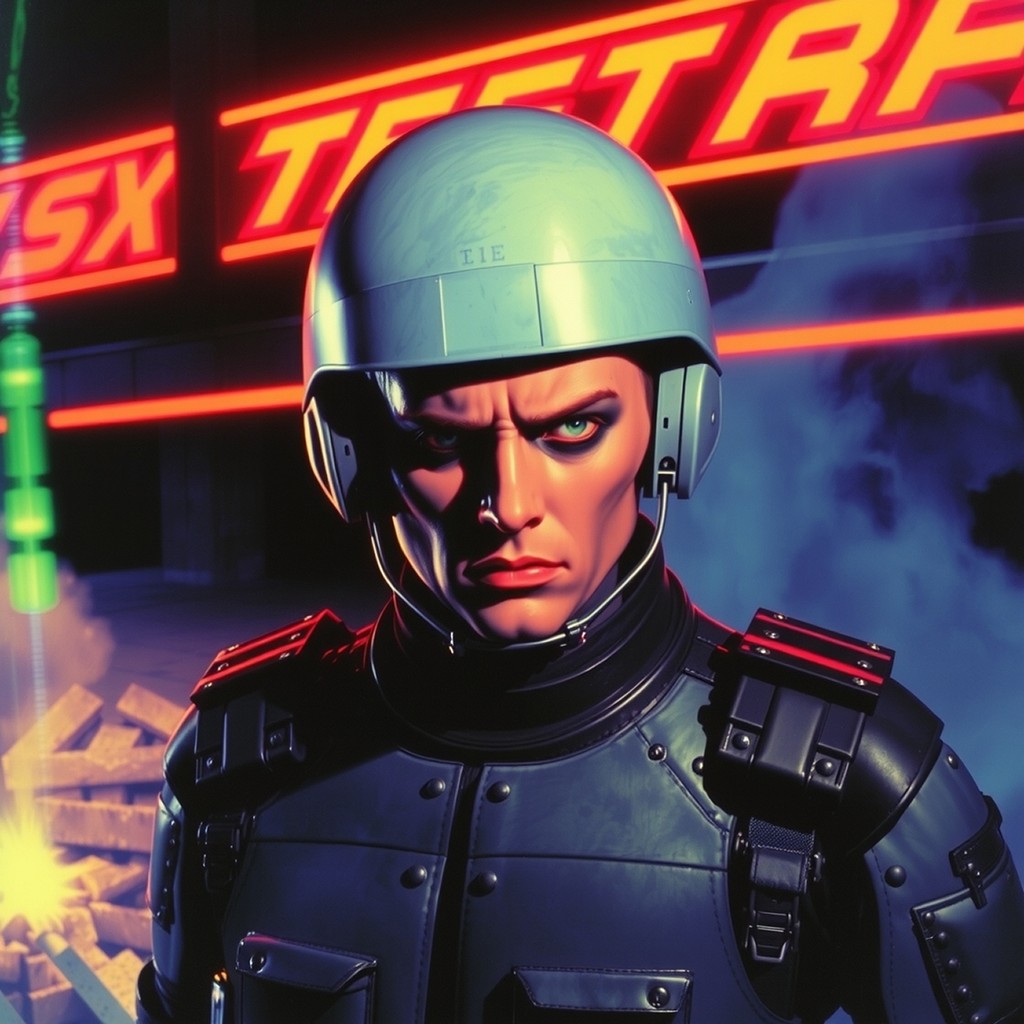
High Res Image
Phoenix 1.0 Version
Use cases: Animation, Film, Game Art
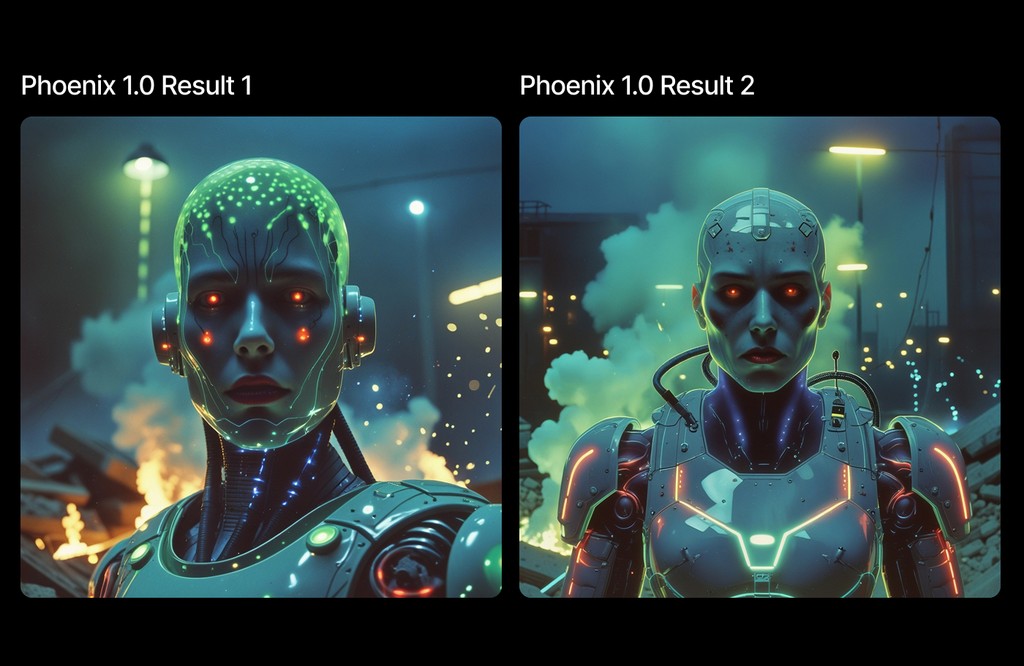
The Phoenix results leaned toward the illustrative, carrying the polished edge of modern video game aesthetics and atmosphere.
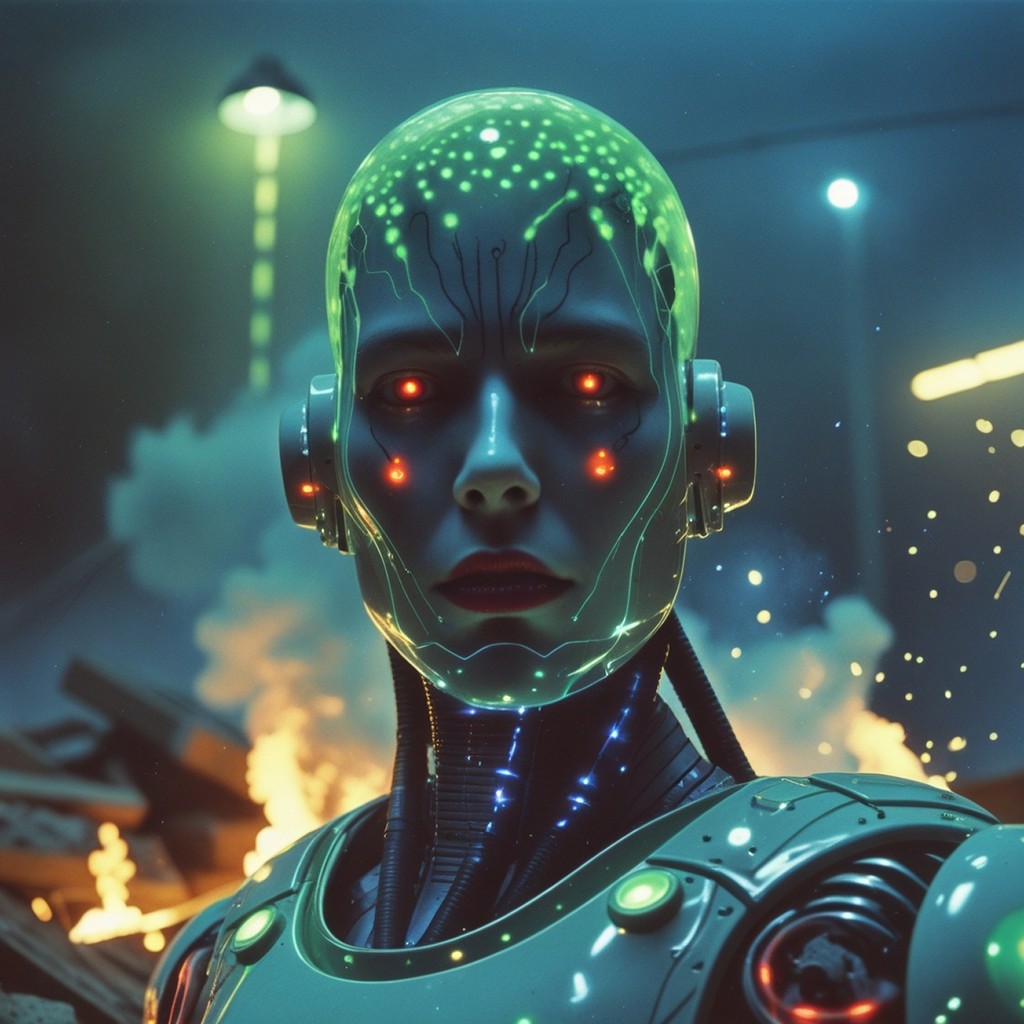
High Res Image
2. Cyborg Saviour
Use cases: Animation, Film, Game Art
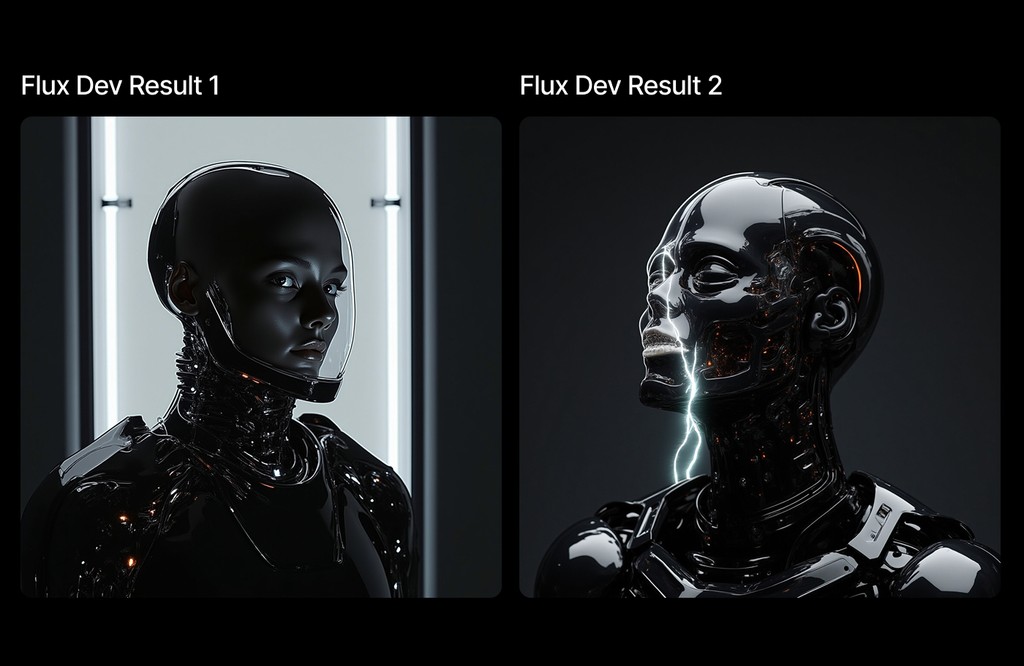
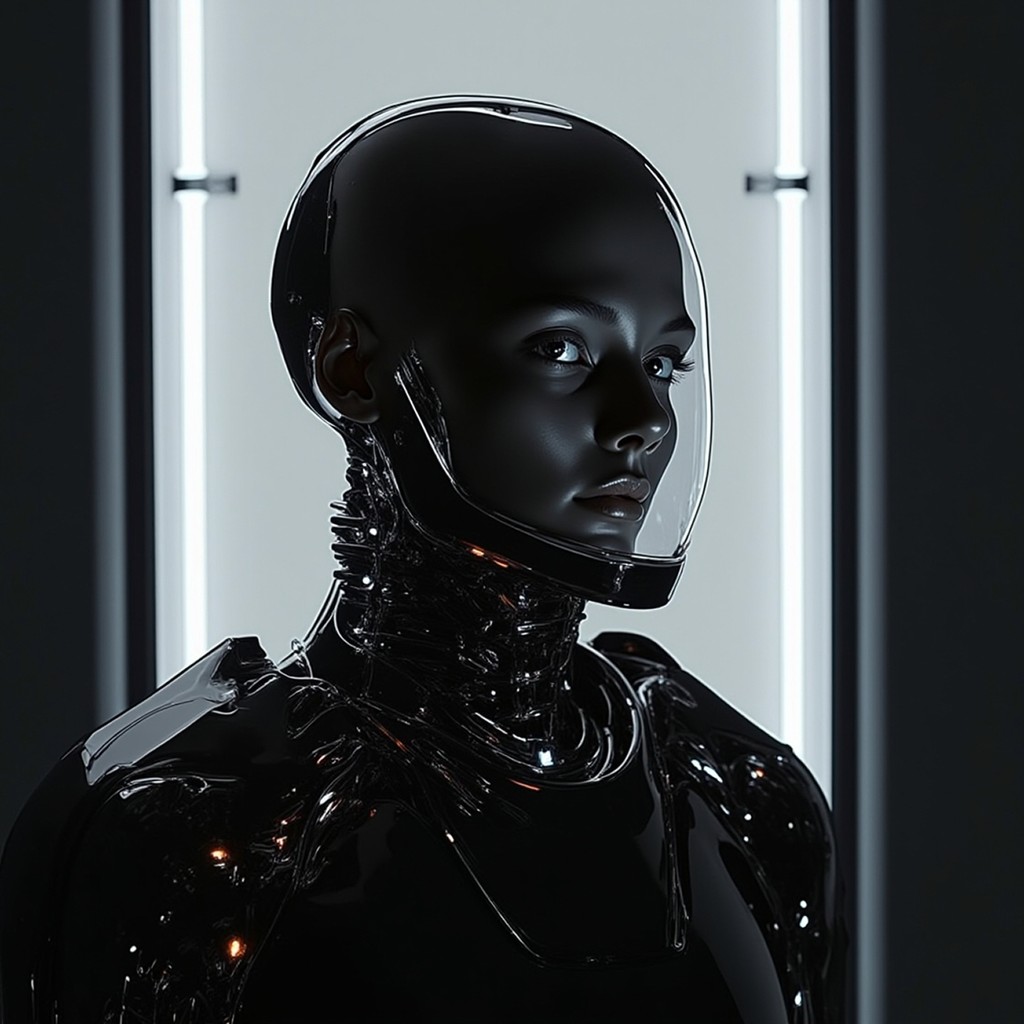
Prompt: A tense cinematic medium-shot portrait of a cyborg officer, face sharp and commanding, torso and upper body armour visible in frame. Lightning flashes and sparks burst behind from shattered glass, cut by saturated red and cyan backlights. Framed square 1:1 for dramatic focus.
High Res Image
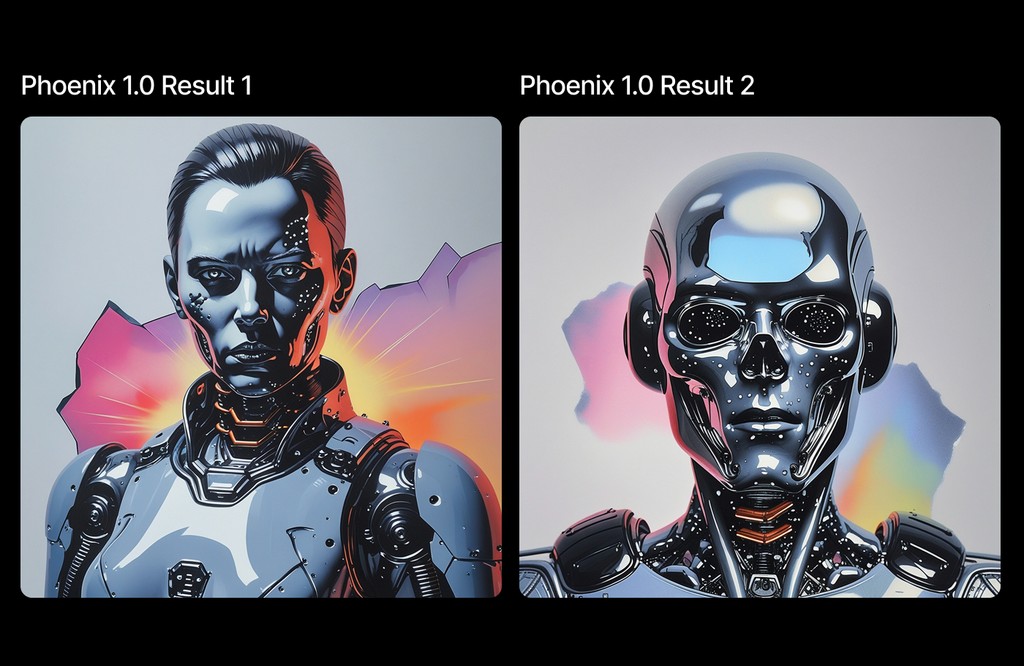
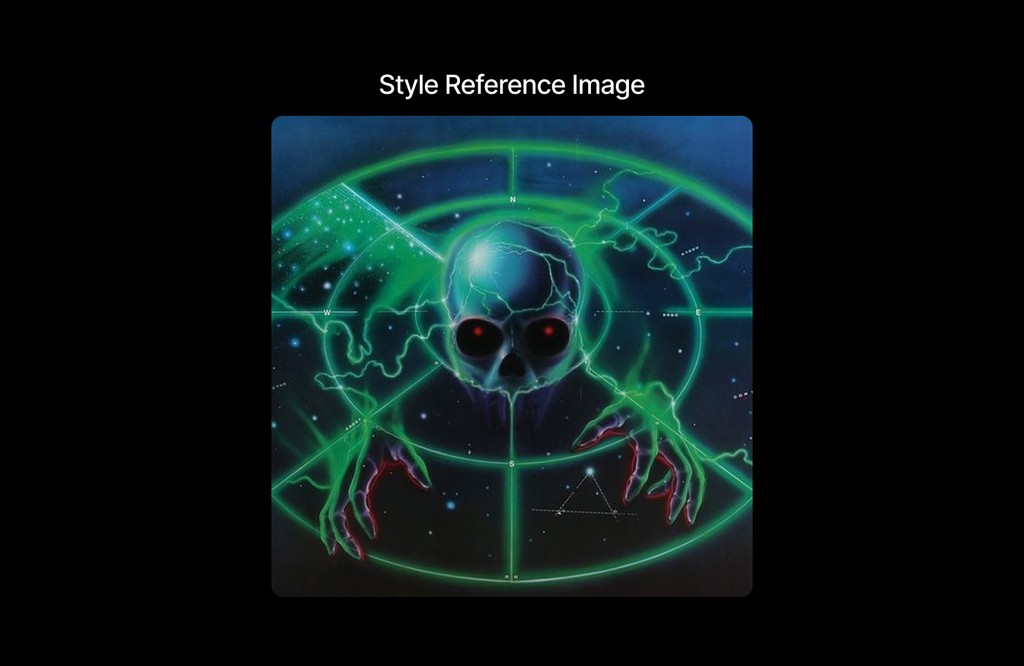
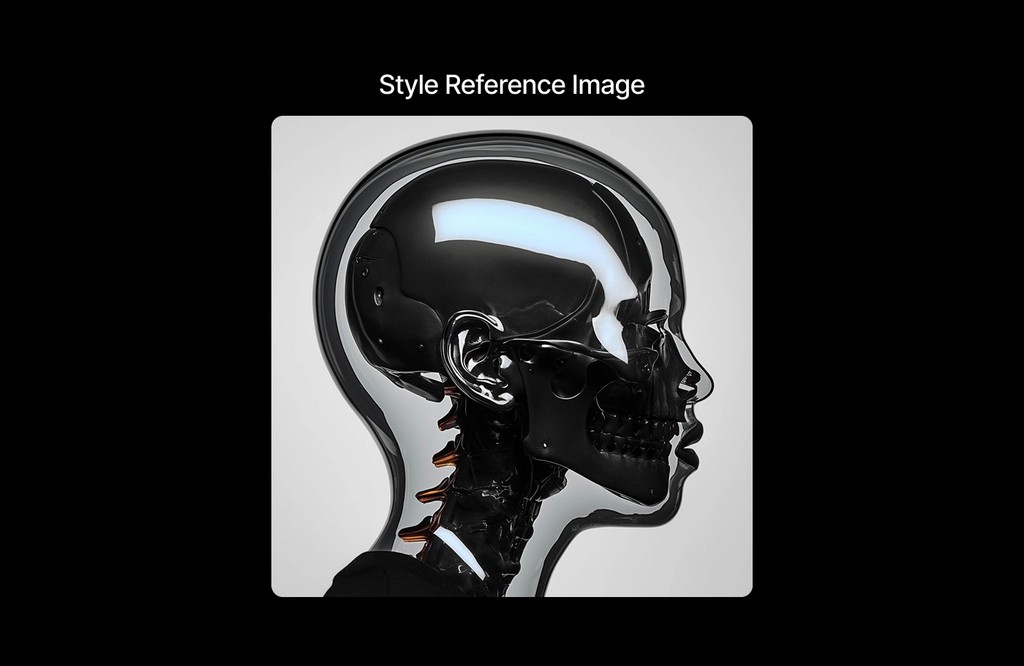
With extra Style References, the outputs bloomed into the luminous airbrush aesthetic of the early 80s, echoing the era’s sci-fi posters and album covers, so vivid they feel indistinguishable from the real thing.
Why I Believe Leonardo Points to the Future
The future of generative AI will not be defined by pretty pictures alone. It will be shaped by platforms that let us dream and deliver, moving seamlessly from concept to creation. That is why I believe Leonardo is ready to lead.
In film, Leonardo can speed up pre-production with instant moodboards and moving sequences. In advertising, it helps teams visualise campaigns fast while still hitting brand notes. Game studios can spin up characters and environments with consistency, and music artists could use it for the kind of stylised, atmospheric visuals you usually only see in polished productions.
Why I Believe Leonardo Points to the Future
What excites me is how these experiments point to something bigger. Leonardo isn’t just for individual creators, it’s a glimpse of how film, ads, gaming and music visuals will evolve. It feels like the bridge between experimenting and producing, which is why I think it will define the next era of generative creativity.